Key Takeaways
- Visit Maluku between October and March for dry weather, ideal for outdoor activities and clear diving.
- Maluku Province is 974 miles from Bali; it’s not a location within Bali.
- Fly from Pattimura International to Ngurah Rai International; journey takes about 6 hours and 3 minutes.
- Flights cost $150-$300 USD, while ferries take nearly 5 days and cost $50-$70 USD.
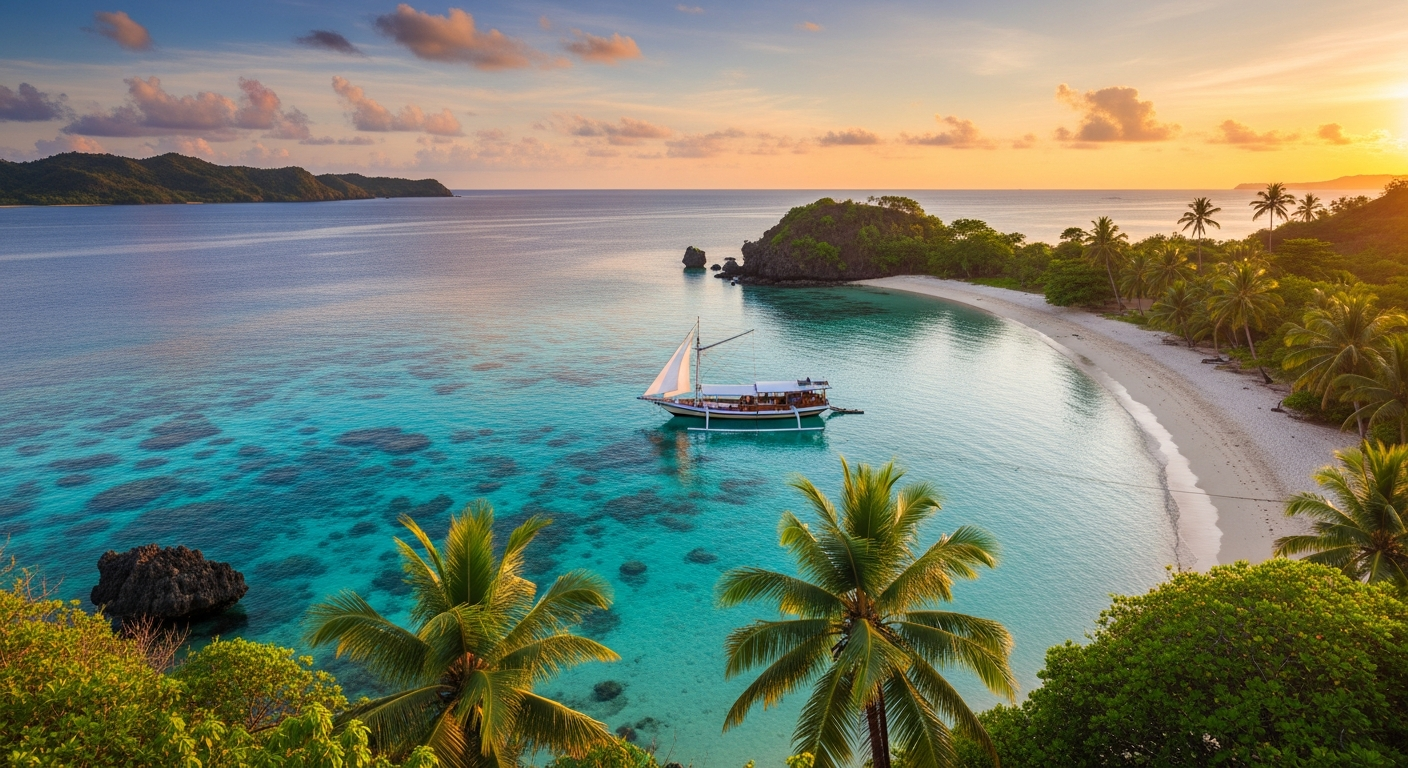
To experience the best of Maluku’s dry weather and diving opportunities, plan your visit between October and March. During this period, the region is characterized by favorable conditions for outdoor exploration, offering you the perfect backdrop for a memorable adventure.
Understanding Maluku’s Climate
Maluku experiences a tropical climate with two primary seasons: the dry season and the wet season. The dry season, from October to March, is the ideal time for travelers looking to explore its natural beauty. During these months, rainfall is minimal, and the weather remains pleasantly warm, making it perfect for diving, sightseeing, and other outdoor activities.
The wet season in Maluku spans from April to September. While this period also offers opportunities for travel, the increased rainfall can hinder some activities, and the sea conditions may not always be suitable for diving. However, this season also means fewer tourists, offering a more tranquil experience for those who prefer solitude.
Geographically, Maluku is an archipelago, which means weather patterns can vary slightly from island to island. For example, Ambon often experiences higher rainfall compared to other islands like Seram. Travelers should consider these micro-climates when planning specific activities, especially those that are weather-dependent.
Traveling from Bali to Maluku
The distance between Bali and Maluku is approximately 974 miles, necessitating a flight for most travelers. The most efficient way to reach Maluku from Bali is by flying. Multiple flights operate from Ngurah Rai International Airport (DPS) in Bali to Pattimura International Airport (AMQ) in Ambon, the capital of Maluku. The flight takes around 6 hours and 3 minutes, with prices ranging from $150 to $300 USD depending on the time of booking and airline choice.
For travelers on a budget, a ferry ride is a viable alternative, although it requires a significant time commitment. The ferry journey can take up to 4 days and 22 hours, with costs ranging from $50 to $70 USD. While this option is cost-effective, it demands patience and flexibility due to the long travel time.
The choice between flying and taking a ferry also depends on the traveler’s preference for convenience versus budget. Flights offer a quick and hassle-free journey, allowing for more time spent exploring the islands, whereas the ferry provides an opportunity to experience the sea and might appeal to those seeking a more leisurely adventure.
Exploring Maluku’s Key Destinations
Maluku is home to several noteworthy attractions that are best explored during the dry season. Ora Beach on Seram Island is renowned for its clear waters and lively marine life, making it a prime spot for snorkeling and diving enthusiasts. Fort Belgica on Banda Neira offers a glimpse into the region’s colonial history with its well-preserved structure and panoramic views of the surrounding islands.
Liang Beach on Ambon, known for its white sand and turquoise waters, is another must-visit destination. Meanwhile, the Ternate Sultan’s Palace provides insight into the local culture and history, with its rich collection of artifacts and traditional architecture. Each location offers unique experiences that reflect the diverse heritage and natural beauty of the Maluku region.
In addition to these sites, visiting the nutmeg plantations on Banda Neira offers a fascinating look into Maluku’s spice trade history. These plantations remain an integral part of the local economy, and guided tours often include tastings and the opportunity to purchase fresh spices as souvenirs.
Choosing the Right Tour Package
For those seeking a structured experience, a 7-day organized tour starting from Ambon is an excellent choice. These tours typically include visits to Banda Neira, famous for its historical sites and nutmeg plantations, as well as excursions to Ay and Rhun Islands. Snorkeling activities are also commonly featured, allowing participants to explore the rich underwater ecosystems of the region.
Regional tour providers offer packages that cater to various interests and budgets. Prices vary based on the itinerary and level of accommodation, ensuring that there is an option for every type of traveler. These tours provide a comprehensive exploration of Maluku, covering essential highlights while ensuring a comfortable and informative experience.
It’s advisable for tourists to compare different tour packages and read reviews to ensure that the itinerary aligns with their interests. Some tours also focus on cultural immersion, providing opportunities to participate in local festivals or cooking classes, which adds another dimension to the Maluku experience.
Local Transportation and Costs
Traveling within Maluku is facilitated by a network of ferries that connect the various islands. The Banda Naira-Tual-Dobo route, for instance, is a popular choice among visitors. Ferry prices typically exceed Rp200,000 (approximately $13 USD) per adult, making it an affordable option for island-hopping and exploration.
For those interested in visiting Sulamadaha Beach, the entry fee is Rp2,500 (approximately $0.16 USD), providing an economical way to enjoy one of the region’s picturesque coastal locations. Local transportation is generally affordable, contributing to Maluku’s appeal as a travel destination that offers both value and variety.
Public transportation, including small boats known as “pelayaran rakyat,” is commonly used by locals and offers an authentic way to experience daily life in Maluku. Hiring a local guide can also enhance the travel experience, providing insider knowledge and facilitating interactions with residents.
Peak Season Considerations
The high season in Maluku runs from June to August, coinciding with school holidays in Indonesia. During this time, attractions can become crowded, and prices for accommodation and services tend to rise. Visitors planning to travel during these months should book in advance to secure the best deals and avoid the high demand.
Traveling outside of peak months, particularly during the dry season of October to March, not only provides more favorable weather conditions but also allows for a more relaxed and less crowded experience. This period is ideal for diving and exploration, with clearer waters and less competition for space at popular sites.
In July 2026, as the high season is currently ongoing, travelers should anticipate fully booked accommodations and busy tourist hotspots. It’s crucial to plan itineraries carefully and possibly seek out lesser-known sites to avoid the crowds and enjoy a more serene visit.
Dining and Local Cuisine
Maluku’s culinary scene is a lively mix of traditional Indonesian flavors with unique local twists. Seafood is a staple, with freshly caught fish and shellfish playing a significant role in many dishes. A must-try is the “Ikan Bakar” or grilled fish, often seasoned with a blend of indigenous spices.
The islands are also known for their use of sago, a starchy staple made from the sago palm, often used to make “Papeda,” a traditional glue-like porridge served with fish. Dining at local warungs (small family-run restaurants) provides an authentic taste of Maluku’s cuisine at affordable prices, often ranging from $2 to $10 USD per meal.
For those interested in culinary tourism, some tours offer cooking classes where participants can learn to prepare traditional dishes. This immersive experience enables visitors to understand the cultural significance of food in Maluku and bring a piece of their journey back home through recipes.
FAQs
Q? What is the best time of year to visit Maluku for diving?
A: The best time to visit Maluku for diving is during the dry season, from October to March. During these months, the sea conditions are optimal, with clearer waters and minimal rainfall, enhancing the overall diving experience.
Q? How long does it take to travel from Bali to Maluku by ferry?
A: Traveling from Bali to Maluku by ferry takes approximately 4 days and 22 hours. While this option is more time-consuming than flying, it is a budget-friendly alternative for travelers with flexible schedules.
Q? Are there any cultural sites to visit in Maluku?
A: Yes, Maluku is home to several cultural sites, including the Ternate Sultan’s Palace and Fort Belgica on Banda Neira. These sites offer insights into the region’s rich history and cultural heritage, making them worthwhile stops for any visitor.
For wider arrangements, our partner baliluxurytransport can coordinate end to end.
Planning something bigger across Indonesia? For premium coordination visit komodoluxury.
Explore all malukutour.com options and plan your trip.